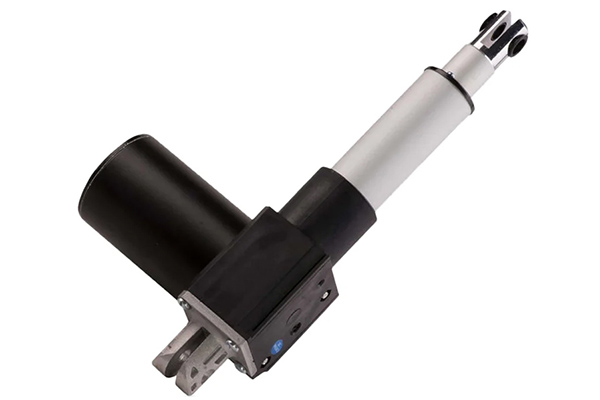
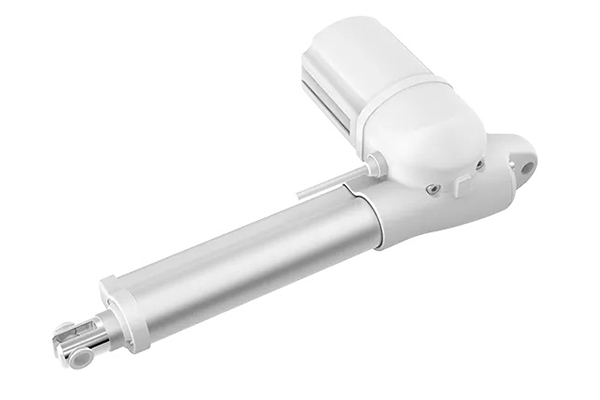
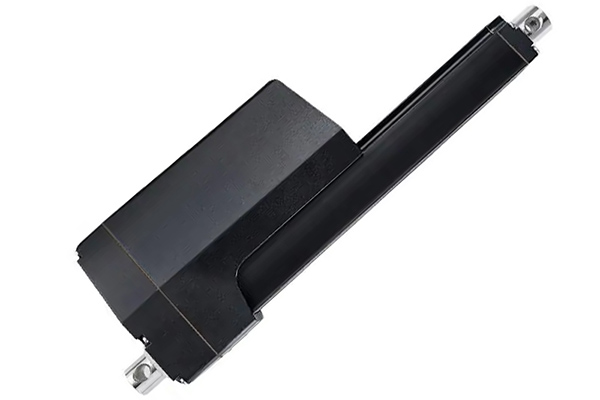
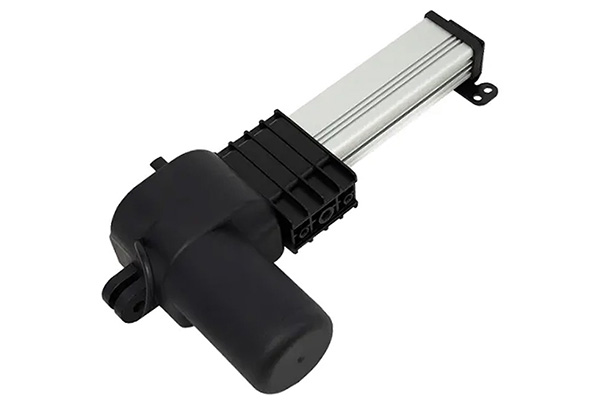
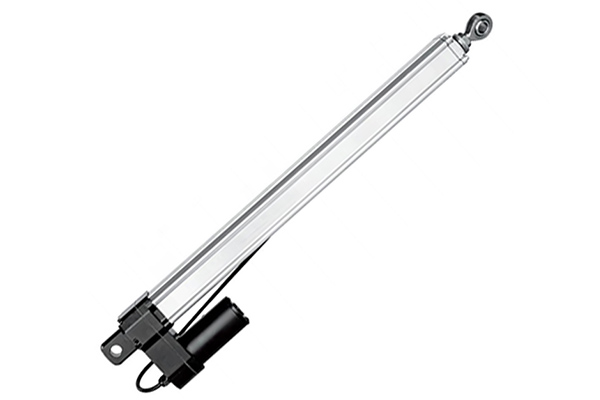
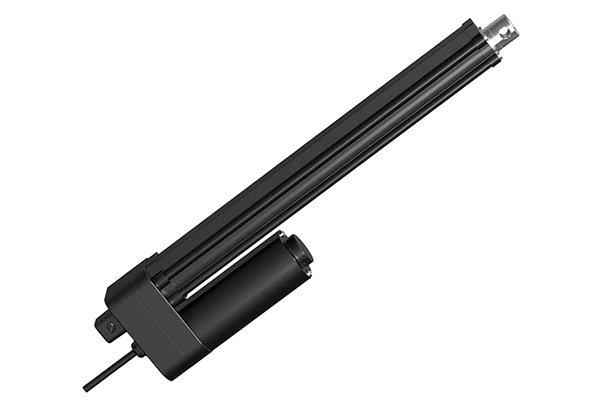
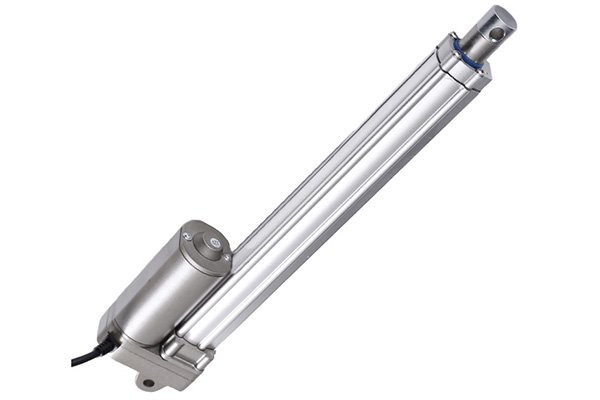
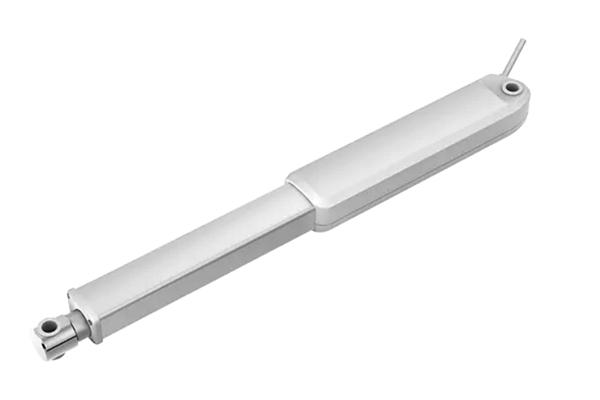








Are you looking for a linear actuator and planning to buy a cheap linear actuator for your project? Many buyers want a solution that is affordable but still reliable. Whether you are working on vehicle accessories, automation equipment, or a DIY mechanical project, the right actuator can make motion control simple and efficient. This article will help you understand how to choose a cheap linear actuator that offers both good performance and dependable quality without increasing your project cost.
Why So Many Users Search for Cheap Linear Actuators?
Many customers search for cheap electric actuator options because they want to reduce project costs while still adding automated movement to their equipment. Small automation systems, vehicle accessories, adjustable structures, and DIY machines often do not require high-end industrial actuators. In these situations, a budget-friendly actuator can perform perfectly while keeping the total equipment cost under control.
Why So Many Users Search for Cheap Linear Actuators?
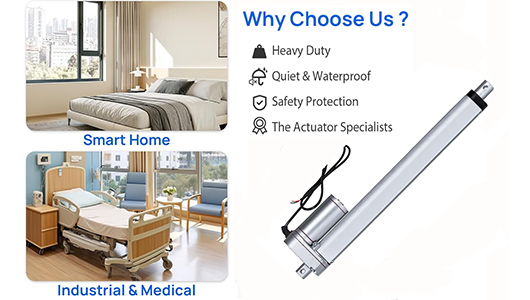
Bestop as a wide range of linear actuators manufactures for various applications. Their product lineup includes compact actuators for small machinery and DIY projects, as well as robust units for automotive, industrial, and robotics systems. With different stroke lengths, load capacities, and voltage options, Bestop ensures reliable performance, smooth motion, and long service life. Their versatile actuators are designed to meet diverse needs, making it easy to find the right solution for any project.
What Is a Linear Actuator?
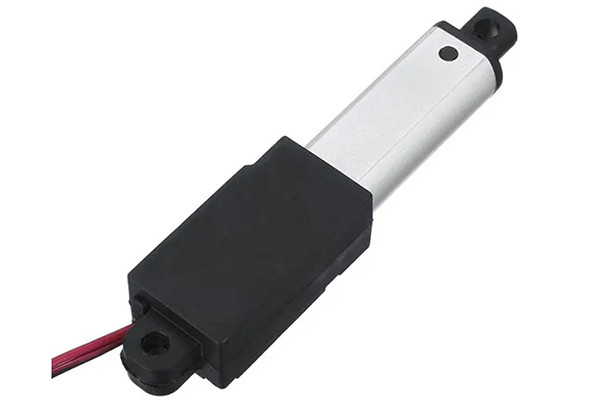
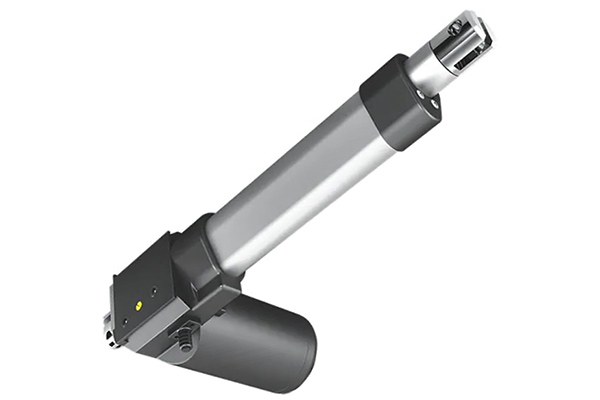
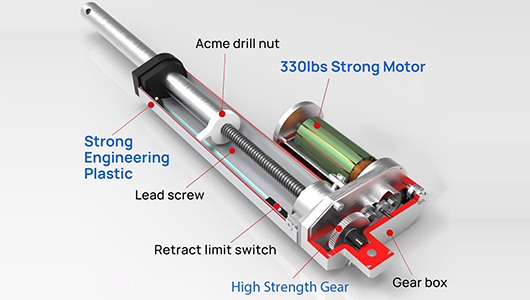
A linear actuator is a mechanical device that creates straight-line motion. It is designed to move objects by pushing or pulling them in a controlled direction. Unlike traditional motors that produce circular motion, a linear actuator converts energy into precise linear movement, allowing machines to lift, slide, position, or adjust components with accuracy.
How a Linear Actuator Works?
When power is supplied to the linear actuator, the motor begins rotating the internal drive system. This rotation drives the lead screw or similar mechanism inside the actuator body. As the screw rotates, the rod gradually moves outward or inward, producing linear motion. The direction of movement can typically be reversed, allowing the linear actuator to extend or retract as needed while maintaining stable and controlled motion.
Why Electric Linear Actuators Are Widely Used?
Electric actuators have become one of the most popular motion solutions in modern equipment. They are compact, easy to install, and require less maintenance compared with hydraulic or pneumatic systems. For many applications, they provide sufficient power while maintaining a simple design. Because of these advantages, many users prefer a cheap linear actuator that can deliver efficient performance without complicated installation or expensive maintenance.
How to Choose the Right Cheap Linear Actuator?
Buying a cheap linear actuator doesn’t mean compromising on performance. To ensure you get the right actuator for your application, it’s important to consider a few key factors first. Understanding the load, stroke, speed, and installation requirements helps you select an actuator that works reliably and fits your budget.
- 1. Define Your Application – Know what the actuator will move, how heavy the load is, and how often it will operate.
- 2. Check Load Capacity – Ensure the actuator can handle the weight with some margin for safety.
- 3.Determine Stroke Length – Measure how far the actuator needs to extend and retract.
- 4. Select Appropriate Speed – Match actuator speed to the application needs; faster isn’t always better.
- 5. Verify Mounting Dimensions – Make sure the retracted length, extended length, and mounting holes fit your equipment.
- 6. Consider Voltage and Power – Confirm compatibility with your system’s power supply.
- 7. Look at Duty Cycle – Choose an actuator rated for how often it will operate without overheating.
- 8. Compare Price vs Quality – Select the cheapest option that still meets all your specifications and reliability needs.
Examples of Voltage Options in Linear Actuators
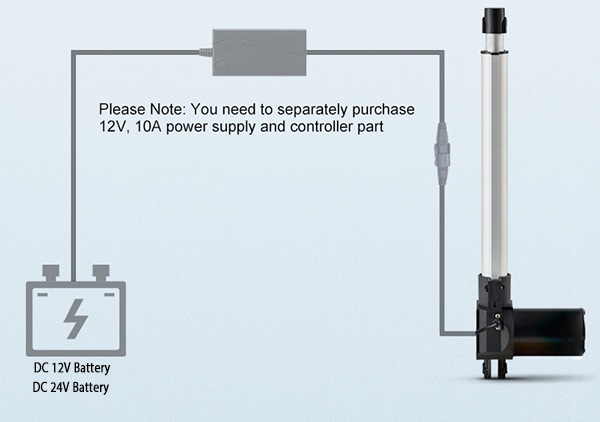
Electric linear actuators are available in several voltage options depending on the application. For example, smaller mobile systems sometimes use a cheap linear actuator 12v, while larger automation equipment may operate with a cheap 24v electric actuator. These examples simply reflect different power configurations used in equipment. The most important step is choosing the voltage that matches the power supply of your system.
Where to Buy Cheap Linear Actuators?
When looking for a cheap linear actuator, it’s important to choose reliable suppliers that offer quality products at reasonable prices. Here are ten well-known brands and companies you can consider:
| Brand / Company | Typical Application | Price Range (Approx.) |
|---|---|---|
| Bestop | Automation, vehicles, furniture | $25–$120/unit |
| Progressive Automations | DIY, robotics, small machines | $30–$150/unit |
| IAI (Intelligent Actuator) | Factory automation, robotics | $150–$500/unit |
| THK | Industrial automation, precision motion | $200–$800/unit |
| LINAK | Healthcare, industrial, agriculture | $180–$600/unit |
| Bimba (IMI Precision) | Pneumatic/electric motion systems | $120–$450/unit |
| Festo | Factory automation, processing systems | $130–$500/unit |
| NSK | Precision machinery, motion control | $150–$700/unit |
| Bosch Rexroth | Heavy industrial automation | $300–$900/unit |
| Actuonix Motion Devices | Small robotics, lightweight applications | $30–$120/unit |
Common Applications for Linear Actuators
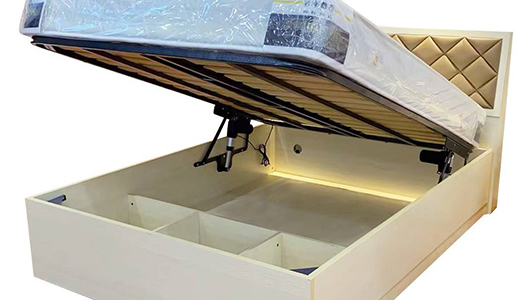
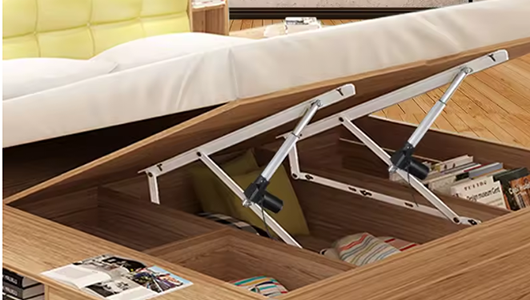
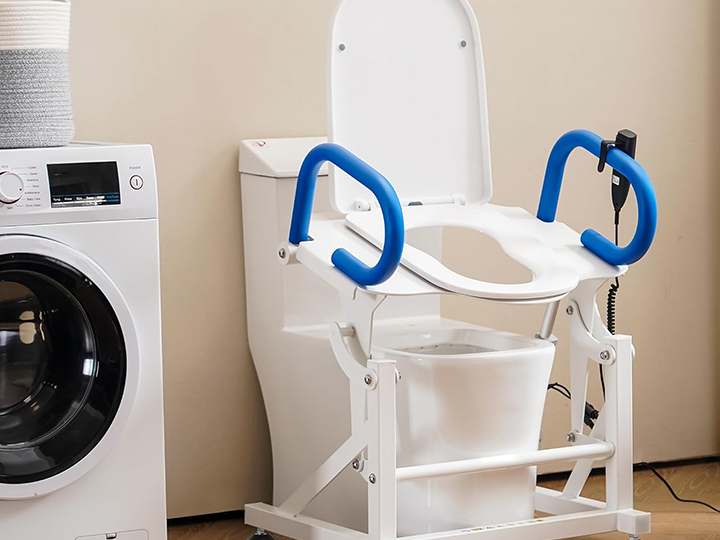
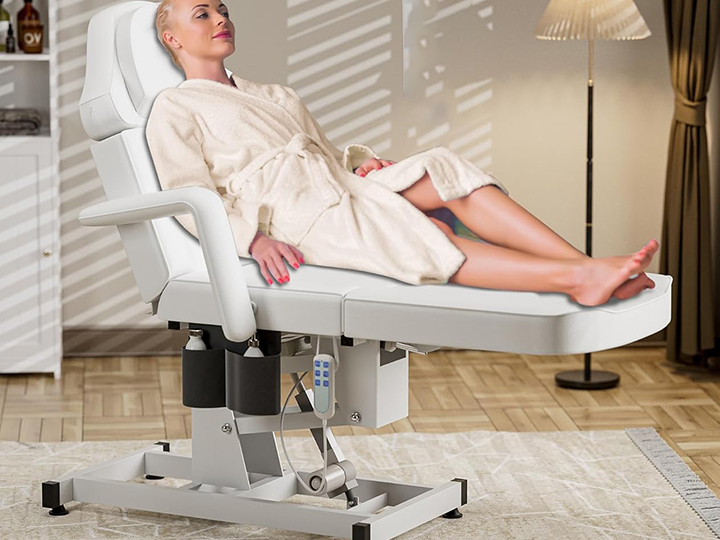
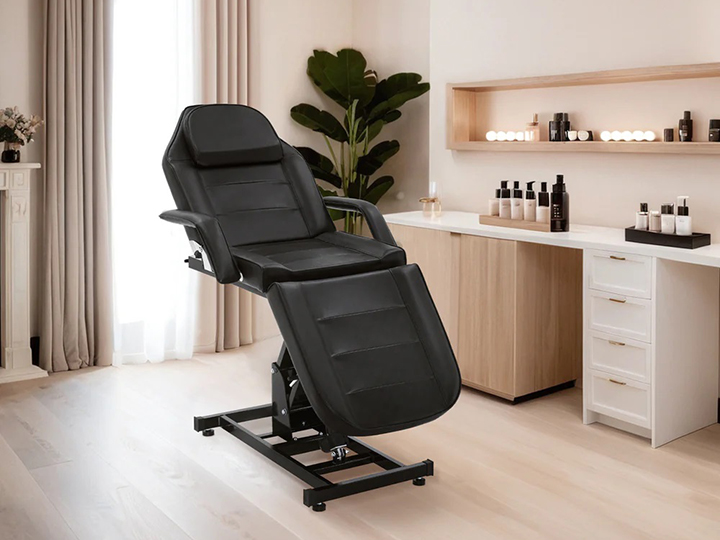
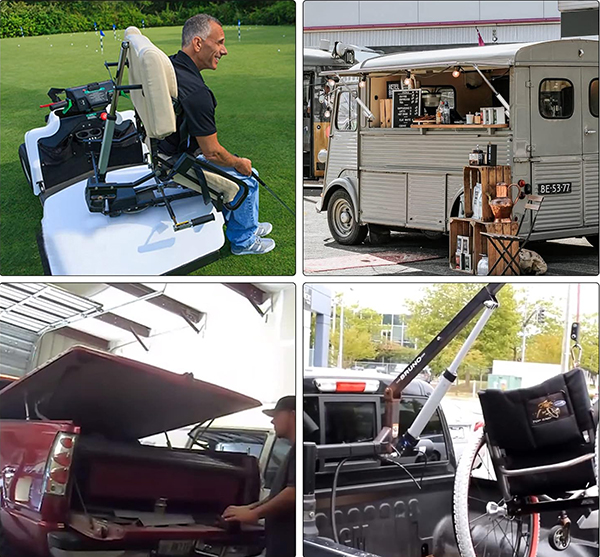
Linear actuators are used across many industries because they provide controlled linear motion in a compact form. They can be found in automated covers, adjustable equipment, small machinery, vehicle accessories, and smart furniture systems. These applications do not always require heavy-duty industrial equipment, which is why a cheap linear actuator can often perform the task effectively while maintaining a reasonable project budget.
How Manufacturers Keep Linear Actuators Affordable
Manufacturers can produce cost-effective actuators by optimizing materials, simplifying internal components, and improving production efficiency. Modern manufacturing technologies allow companies to build actuators in large quantities while maintaining consistent quality. As a result, buyers can find an inexpensive linear actuator that offers dependable performance without the high price traditionally associated with motion control equipment.
Top Tips to Maximize Actuator Life
Even with a cheap linear actuator, proper use extends its life. Avoid overloading the actuator beyond its rated capacity. Match stroke length and speed to your project needs. Ensure proper mounting and avoid exposure to extreme conditions. Regular inspection and maintenance, even for inexpensive models, can prevent premature wear and ensure consistent performance over time.
Common Mistakes to Avoid When Choosing a Cheap Linear Actuator
Many users choose actuators based solely on price, which can lead to problems. Avoid selecting an actuator without checking load capacity, stroke length, or duty cycle. Don’t ignore mounting compatibility or voltage requirements. Even a cheap electric actuator must be chosen carefully to match your application; otherwise, it may fail prematurely or perform poorly.
FAQ About Cheap Linear Actuators
Can linear actuators be used outdoors?
Yes, but check the actuator’s IP rating for protection against dust and water. Outdoor-rated actuators can withstand weather conditions safely.
How long does a linear actuator last?
The lifespan depends on load, duty cycle, and maintenance. Operating within specifications and performing regular checks will extend the actuator’s life.
Are linear actuators easy to install?
Most linear actuators are straightforward to mount. Ensure the mounting dimensions fit your system and that voltage requirements match your power supply.
What voltage options are available for linear actuators?
Linear actuators commonly come in 12V or 24V options, suitable for different equipment sizes and power sources. Choose the voltage compatible with your system.
Can linear actuators handle continuous operation?
Yes, but check the duty cycle rating. Some actuators are designed for intermittent use, while others can run continuously without overheating.