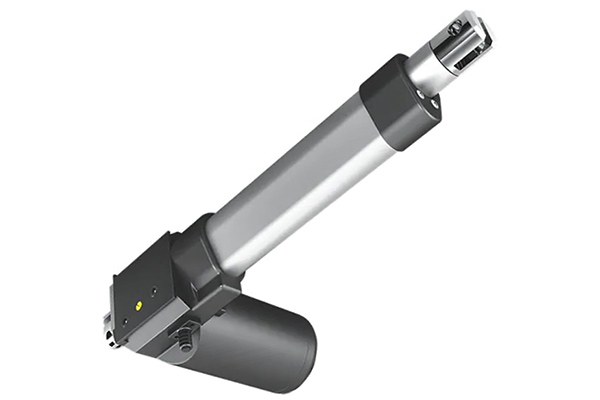
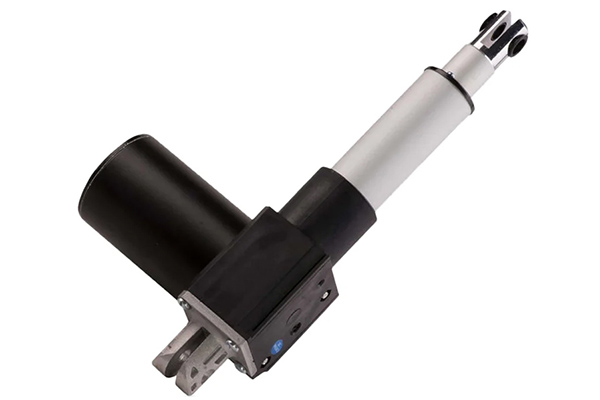
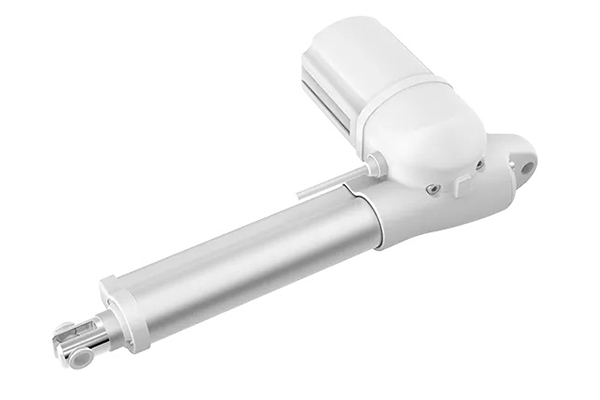
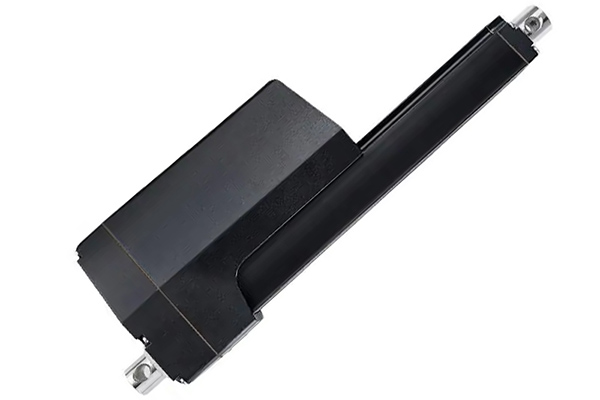
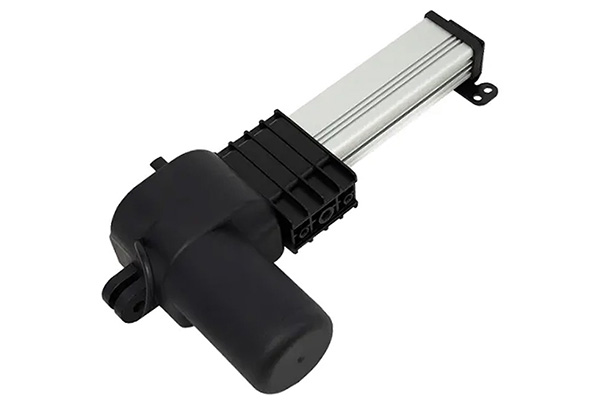
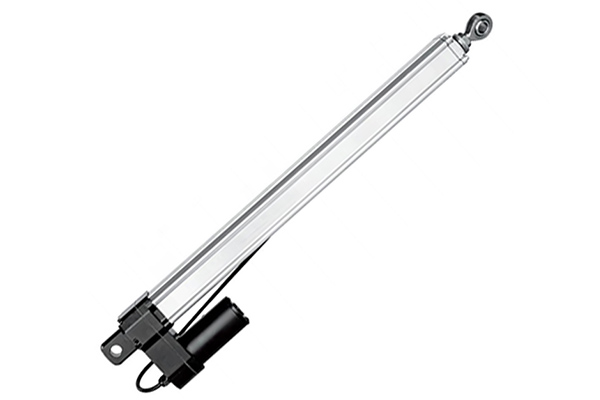
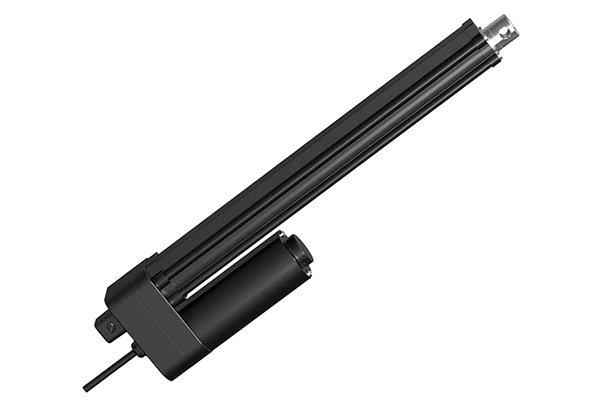
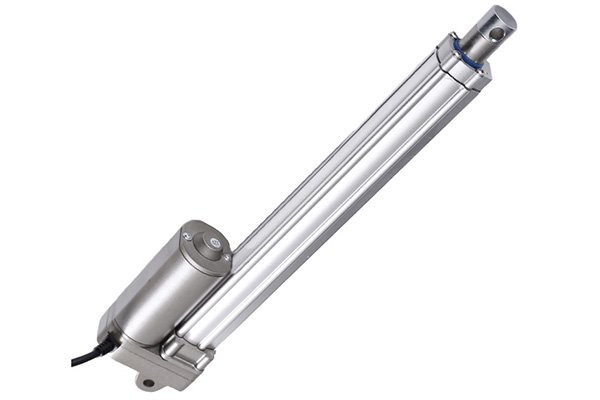

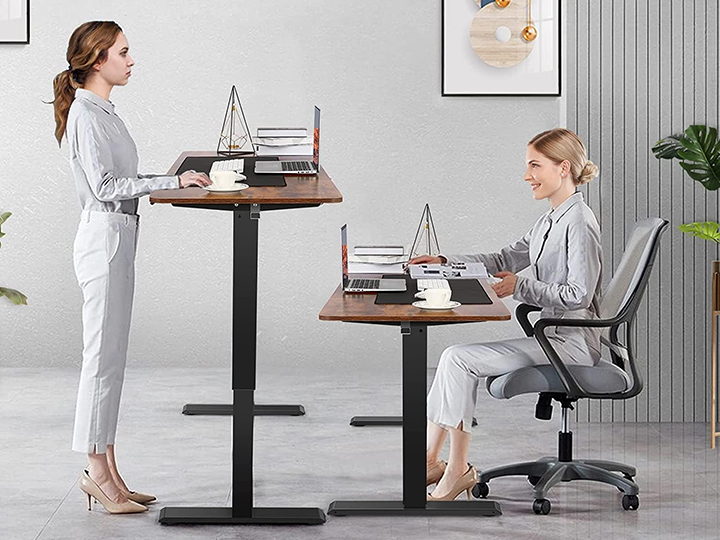

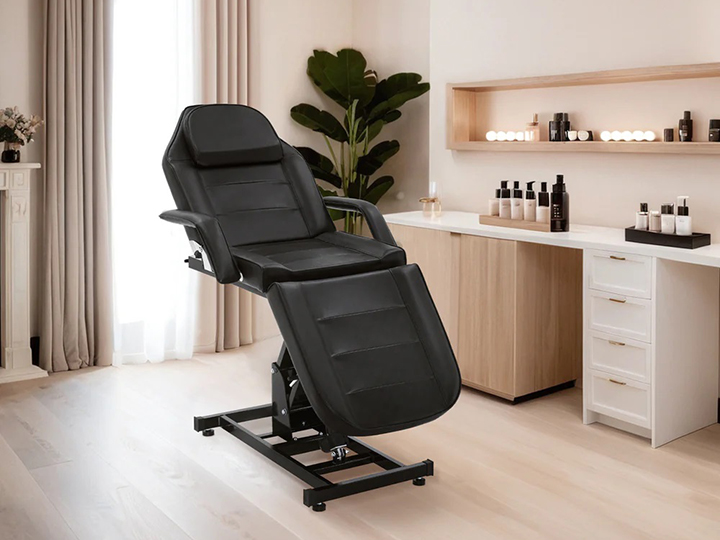
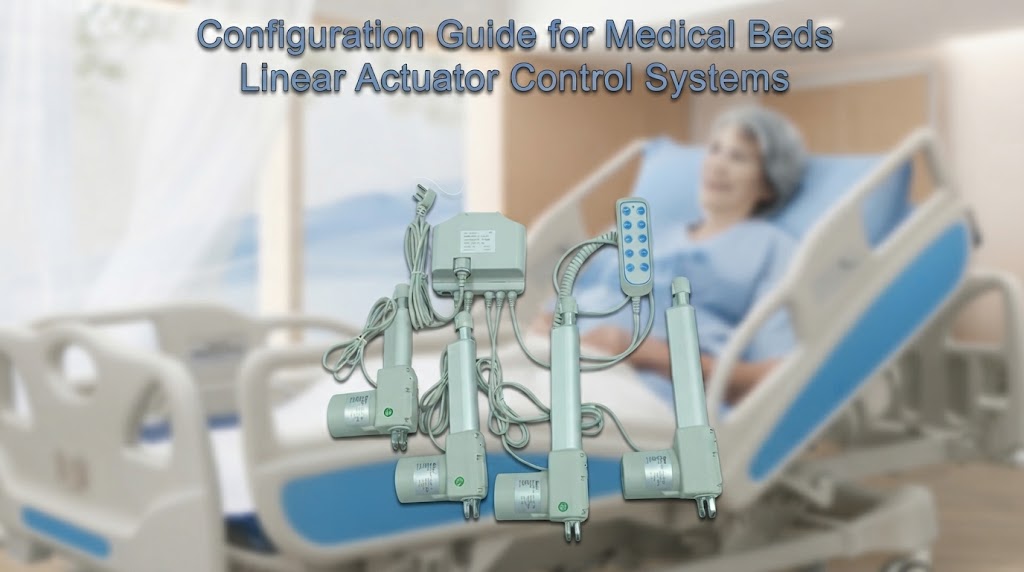
Imagine pressing a button and watching a heavy platform lift smoothly, a machine arm move into position, or a standing desk adjust its height automatically. These movements are powered by linear actuators. A linear actuator converts electrical energy into straight-line motion, enabling machines to push, pull, lift, or position loads with precision. Because these components often work in critical mechanical systems, selecting a reliable linear actuator supplier is essential for ensuring consistent performance and long-term equipment stability.
what is a linear actuator?
Selecting the right supplier can significantly affect the reliability of automation equipment. Many electric actuator suppliers provide not only actuator products but also engineering advice, product recommendations, and technical support. When manufacturers evaluate suppliers, they often compare several linear actuator manufacturer companies to ensure the actuators meet their load capacity, speed, and durability requirements.
Why choose Bestop electric linear actuators?
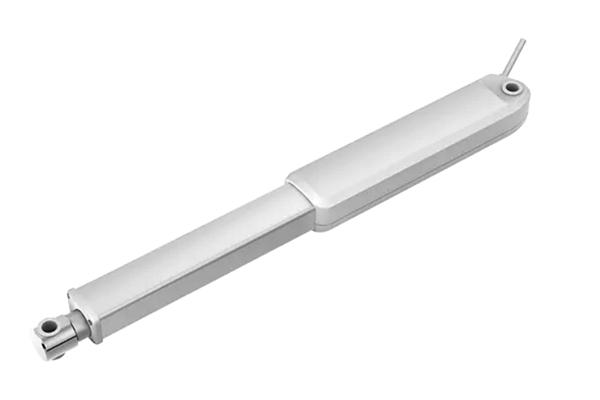
Bestop electric linear actuators are available in a variety of models to meet different motion control needs. With multiple stroke options, load capacities, and mounting styles, these actuators can be adapted to applications ranging from industrial automation to adjustable furniture and medical equipment.To meet different application requirements, Bestop provides multiple types of electric linear actuators. The following chart shows some of the available actuator styles.
Linear actuator Controller
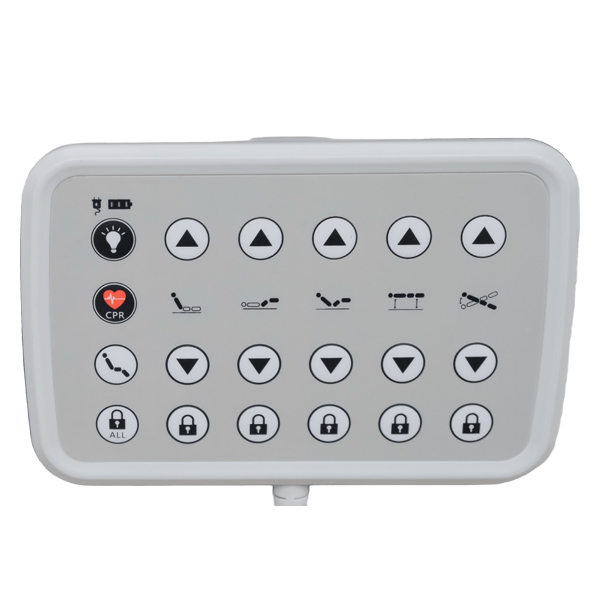
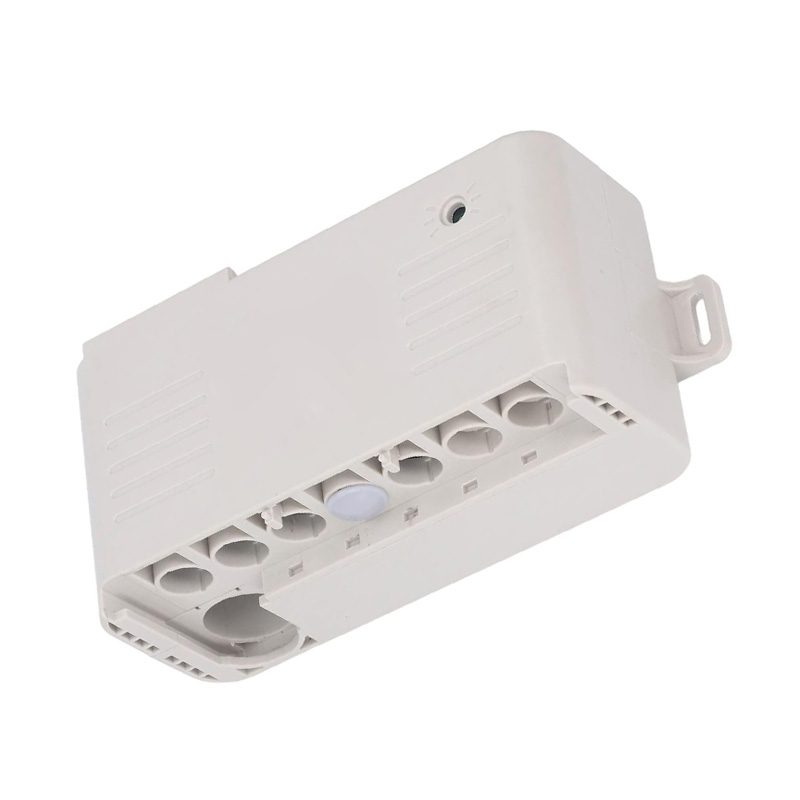
A linear actuator controller is used to manage and regulate the movement of electric actuators. It allows users to control functions such as extension, retraction, speed, and synchronization, ensuring smooth and precise motion in different applications. Depending on the system requirements, various types of controllers can be used to support single or multiple actuators.
The below highlight several common types of linear actuator controllers and their typical functions.
Why Choosing a Linear Actuator Supplier Is Important?
Selecting the right supplier can significantly affect the reliability of automation equipment. Many electric actuator suppliers provide not only actuator products but also engineering advice, product recommendations, and technical support. When manufacturers evaluate suppliers, they often compare several linear actuator manufacturer companies to ensure the actuators meet their load capacity, speed, and durability requirements.
What to Consider When Choosing a Linear Actuator Supplier?
Choosing the right linear actuator supplier is essential for product reliability, consistent quality, and long-term cooperation. Before selecting a supplier, it’s important to evaluate several key factors:
- 1. Manufacturing experience – Suppliers with strong industry experience usually provide more reliable products.
- 2. Product range & customization – Availability of different stroke lengths, load capacities, and custom options.
- 3. Quality standards – Certifications, testing processes, and consistent quality control.
- 4. Technical support – Engineering support and fast response to technical questions.
- 5. Lead time & supply stability – Ability to deliver products on schedule.
- 6. Pricing & after-sales service – Transparent pricing and reliable support after purchase.
Comparing Global Linear Actuator Manufacturers
The global linear actuator market includes many companies producing motion control solutions. Buyers frequently compare different linear actuator manufacturers to determine which supplier offers the best balance of quality, durability, and cost. Evaluating multiple manufacturers helps businesses select actuators that match their equipment design and automation requirements.
| Brand | Main Applications |
|---|---|
| LINAK | Medical equipment, adjustable furniture, agricultural machinery |
| TiMOTION Technology | Medical beds, ergonomic desks, industrial automation |
| Thomson Industries | Industrial automation, packaging systems, robotics |
| Tolomatic | Factory automation, material handling, industrial machinery |
| IAI Corporation | Robotics, semiconductor equipment, precision automation |
| Firgelli Automations | Robotics, automotive projects, DIY automation |
| Progressive Automations | Home automation, adjustable desks, robotics |
| Duff-Norton | Heavy industry, lifting systems, industrial equipment |
| Venture Manufacturing Co. | RV systems, agricultural equipment, industrial machinery |
| Actuonix Motion Devices | Robotics, laboratory equipment, compact automation systems |
These linear actuator companies represent some of the most recognized linear actuator manufacturers in the global motion control industry, providing solutions for automation, robotics, medical equipment, and industrial machinery.
How to Choose the Right Linear Actuator?
Selecting the right linear actuator is essential for ensuring reliable motion control and long-term equipment performance. Different applications require different actuator specifications, such as load capacity, speed, and stroke length. Before choosing a model, it is important to understand the key technical parameters that determine how the actuator will perform in a specific system. The following parameters are commonly used to evaluate and select a suitable linear actuator.
- 1. Load Capacity – The maximum force the actuator can push or pull during operation.
- 2. Stroke Length – The total distance the actuator rod can extend and retract.
- 3. Speed – The rate at which the actuator moves while extending or retracting.
- 4. Input Voltage – The electrical power requirement, commonly 12V, 24V, or 48V DC.
- 5. Mounting Style – The type of mounting brackets or connection points used for installation.
- 6. Duty Cycle – The amount of operating time compared to resting time during continuous use.
- 7. Protection Rating (IP Rating) – Indicates the actuator’s resistance to dust, moisture, and harsh environments.
what are linear actuators used for?
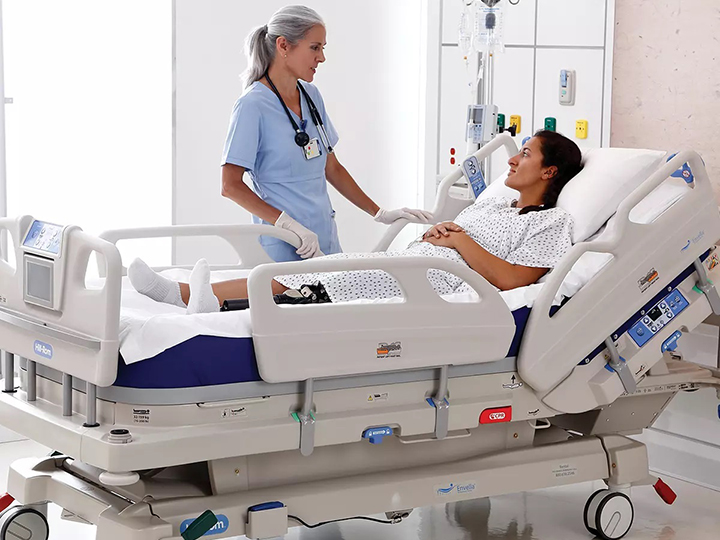
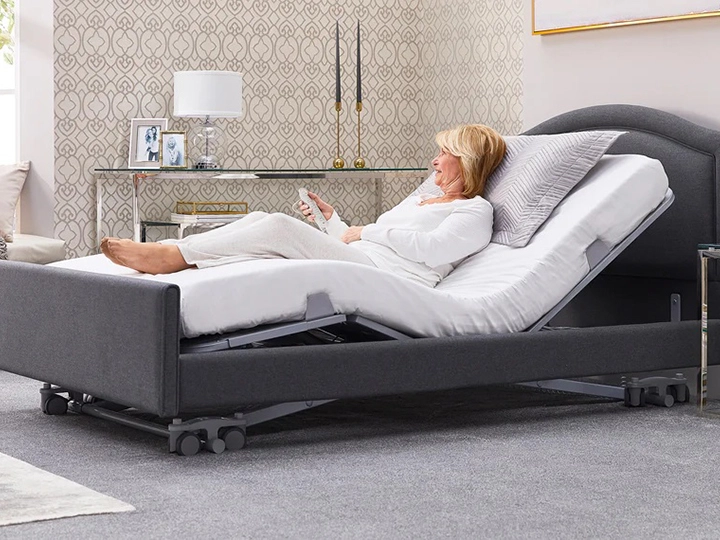
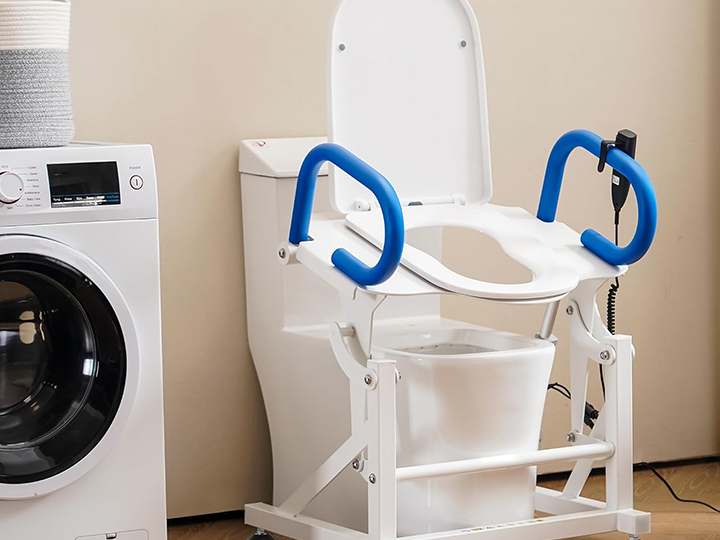
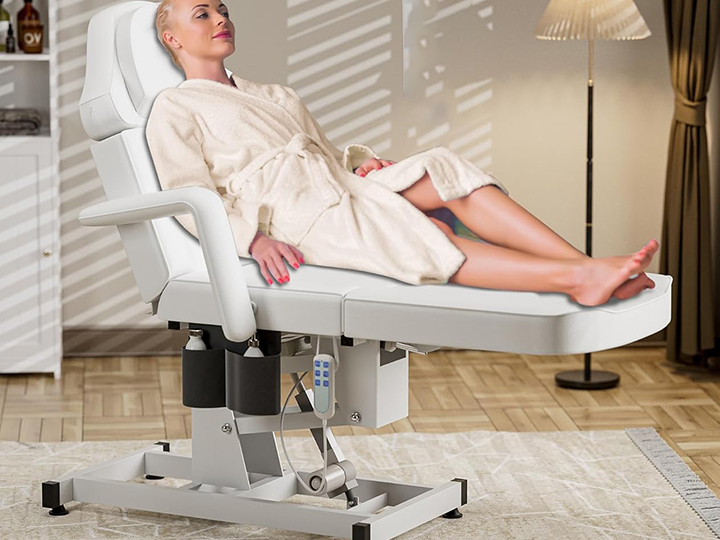
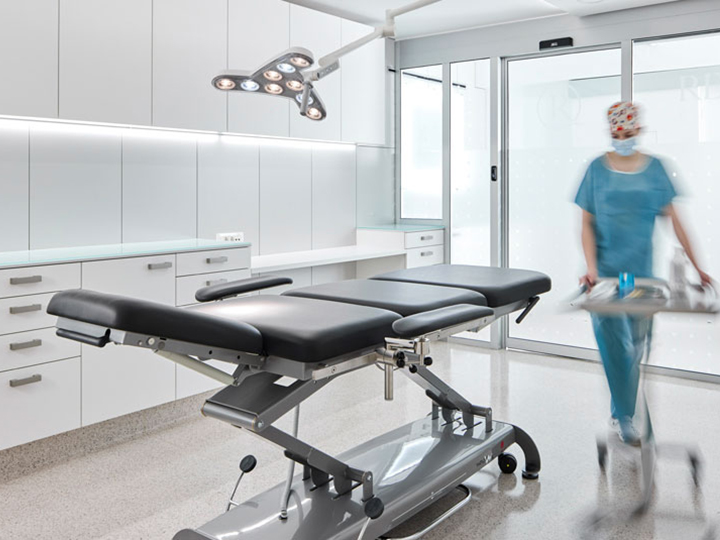
Linear actuators are widely used in automation equipment that requires precise movement. Industrial machinery uses them for lifting platforms and positioning systems. Furniture systems use actuators in adjustable desks and reclining chairs. Medical equipment uses them in hospital beds and treatment tables. Additional applications include robotics, agricultural machinery, solar tracking systems, and smart home automation.Linear actuators are used in various industries, from automation systems to medical equipment. The chart below provides an overview of common application scenarios.
Need additional assistance on linear actuators?
Are you ready to take your actuator solutions to the next level? Discover the mechanical linear actuator that best fits your application. If you’re unsure which actuator solution is right for your needs or require a customized option, our team is here to help. Contact us today to find the ideal solution for your project.
FAQ About Linear Actuator Suppliers
Choosing the right linear actuator supplier often raises several questions, especially regarding product quality, customization options, and technical support. Below are some frequently asked questions to help buyers better understand how to evaluate and work with reliable actuator suppliers.
What is the difference between a manufacturer and a supplier?
A linear actuator manufacturer produces actuators, while suppliers may distribute or integrate these components into equipment systems.
What does a linear actuator supplier do?
A linear actuator supplier provides actuators used to create straight-line motion in machinery and automation equipment.
Are Chinese actuator manufacturers reliable?
Many linear actuator China suppliers now produce high-quality actuators for global markets.
What industries use electric actuators?
Automation equipment, furniture systems, healthcare devices, and robotics commonly use electric actuators.
Can linear actuators be customized?
Yes. Many linear actuator manufacturers provide OEM services that allow customization of stroke length, speed, voltage, and mounting options.