





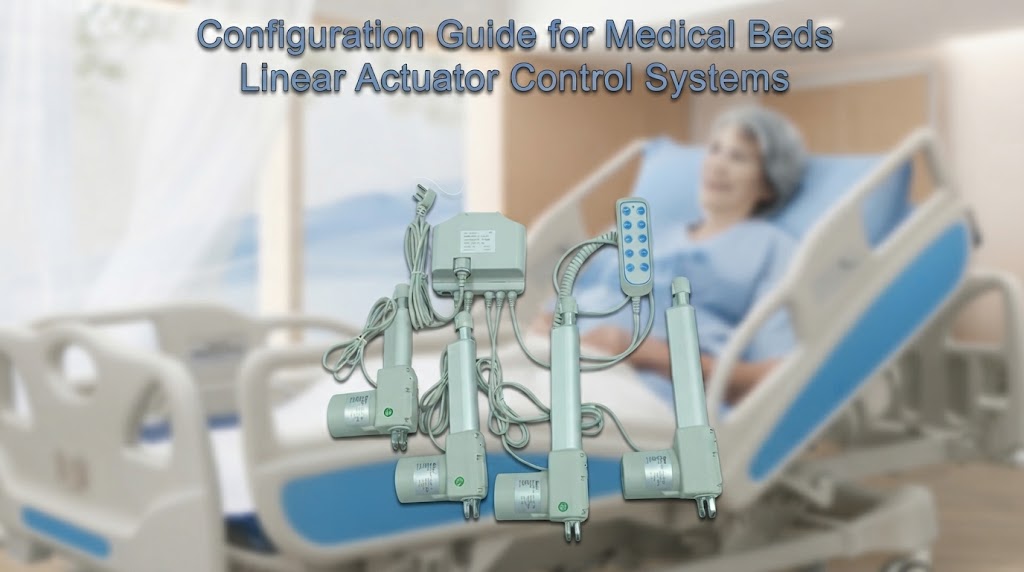
Are you looking for a linear actuator bed lift for your project? Are you a bed manufacturer designing adjustable beds, a wholesaler sourcing lifting systems, or a DIY builder upgrading a storage bed? Many people searching to buy linear actuator solutions are unsure which system fits their needs. Before selecting a bed lift actuator, it is important to understand how a bed lift system works. Once the mechanism is clear, choosing the right actuator becomes much easier.
What Is a Linear Actuator?
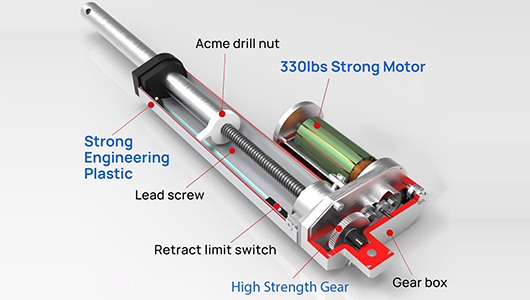
Understanding the basics of a linear actuator is key before exploring how it is applied to furniture. A linear actuator is a mechanical device that converts rotational motion into straight-line motion. It allows machines to push, pull, lift, or position loads with precision. Linear actuators are widely used in furniture, industrial automation, medical equipment, and smart home applications.
What Is a Linear Actuator Bed Lift System?
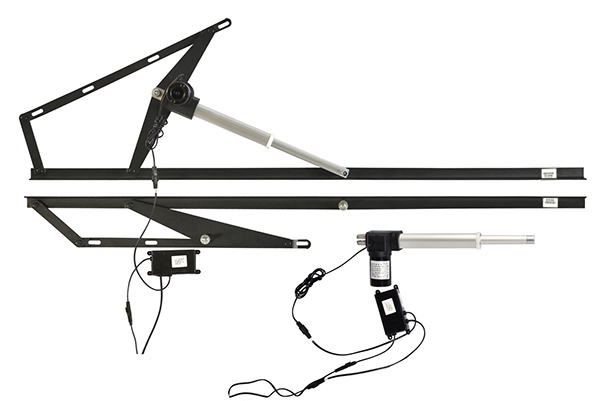
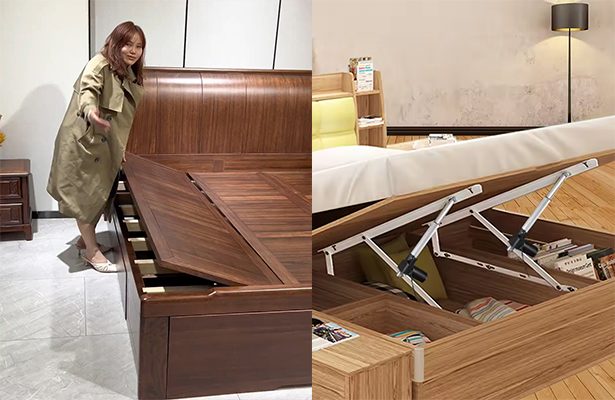
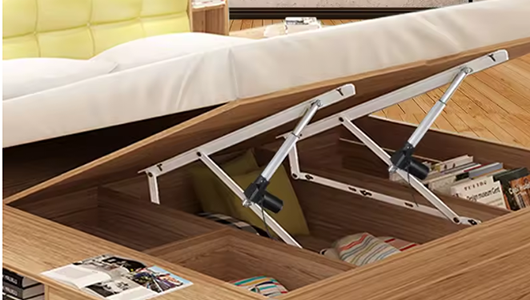
Having understood what a linear actuator is, it becomes clear that a linear actuator bed lift is a collection of these actuators working together, along with the necessary accessories and controllers, to achieve practical functions in furniture. In beds, the linear actuators can raise or lower one end of the bed to a specific height according to their stroke, tilt the head or foot sections, or adjust the overall height, making it easy to access storage underneath and providing customizable comfort for the user.
Why Linear Actuators Are Used in Bed Lift Systems?
Traditional bed lifting mechanisms often rely on manual structures that require effort and provide limited control. A linear actuator bed lift offers smooth motion, stable lifting force, and precise positioning. These advantages are especially important in hospital bed linear actuator applications where safety and comfort matter. Because of these benefits, many modern bed systems use actuators as the lifting solution. To design such a system correctly, the next step is understanding its key components.
Applications of Linear Actuators
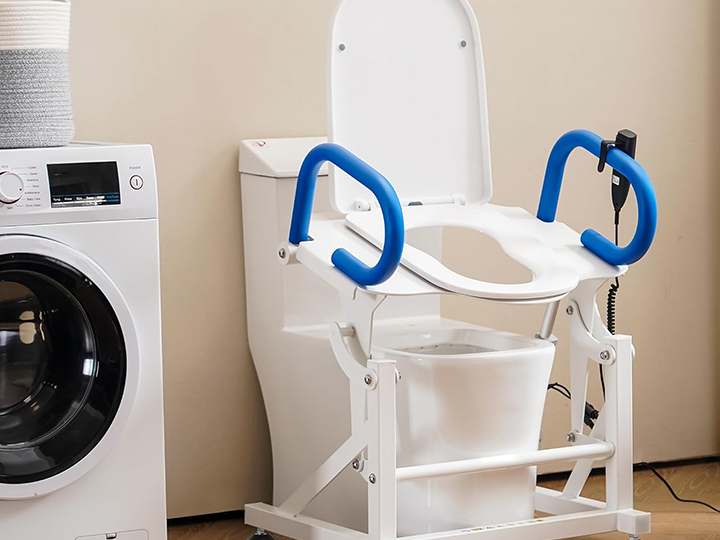
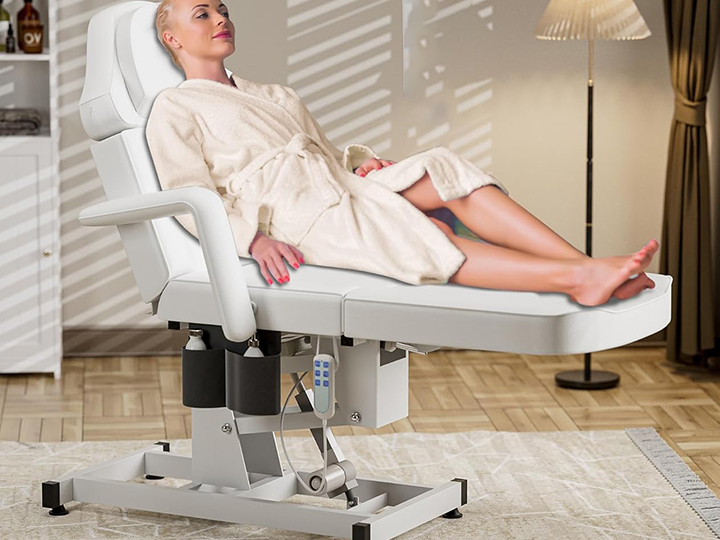
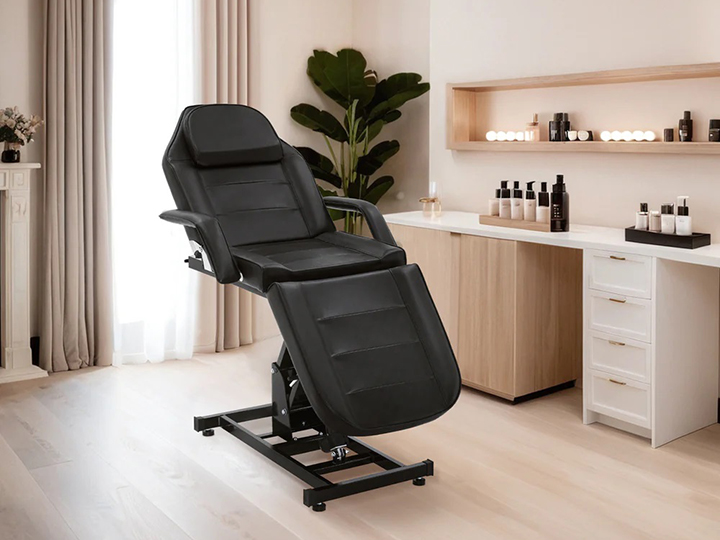
Beyond bed lift systems, linear actuators are widely used in adjustable furniture, hospital beds, smart storage solutions, and medical equipment. A linear actuator bed ensures smooth, precise motion, while medical linear actuators provide quiet, reliable operation.
Understanding these applications highlights their versatility and leads naturally to the next step: identifying the key components needed for your own bed lift actuator system.
Key Components of a Linear Actuator Bed Lift System?
A complete linear actuator bed lift system includes several important parts. The bed lift actuator moves the linear actuator bed frame to create lifting motion. A power supply provides energy, while a control system manages movement. Mounting brackets secure the actuator to the structure, and the bed frame supports the lifting mechanism. Once these components are understood, the next step is selecting the correct actuator specifications.
How to Choose the Right Bed Lift Actuator?
Many people who buy linear actuator products struggle to select the right bed lift actuator for their linear actuator bed. Choosing the wrong actuator can lead to unstable lifting, insufficient stroke, or excessive noise. To make the right choice, focus on these critical parameters:
- 1. Load Capacity – The actuator must support the total weight of the bed frame and mattress.
- 2. Stroke Length – Determines how high or low the bed can lift.
- 3. Speed – Affects the smoothness and efficiency of lifting.
- 4. Installation Size – Must fit the bed frame and mounting brackets properly.
- 5. Duty Cycle – Maximum continuous operation without overheating or reducing lifespan.
Understanding these specifications is especially important for hospital bed linear actuator or medical linear actuator applications. Once these parameters are clear, you can confidently move on to assembling the linear actuator bed lift system.
Steps to Build a Linear Actuator Bed Lift System
Once the actuator specifications and system components are clear, building a linear actuator bed lift system becomes straightforward. First install mounting brackets on the bed frame. Next attach the bed lift actuator between the lifting platform and the base structure. Then connect the power supply and install the control switch or remote system. Finally test the lifting motion to ensure smooth operation. At this stage, actuator quality becomes an important factor.
Why Choose Bestop Linear Actuator Manufacturer?
After selecting the right specifications for your linear actuator bed lift system, the next important decision is choosing a reliable manufacturer. Bestop stands out by providing high-quality linear actuator bed lifts for adjustable and hospital beds. Additionally, GASTAC, a trusted sub-brand of Bestop, offers Bed Lift Kits as a more economical or non-electric alternative. This combination ensures you can meet different project requirements with one reliable supplier.
Linear Actuator Bed Lifts
GASTAC’s linear actuator bed lifts deliver smooth, quiet motion and compact installation. They are ideal for hospital bed linear actuator and medical linear actuator applications, ensuring stable, long-lasting lifting performance in both furniture and healthcare projects.
Bed Lift Kits
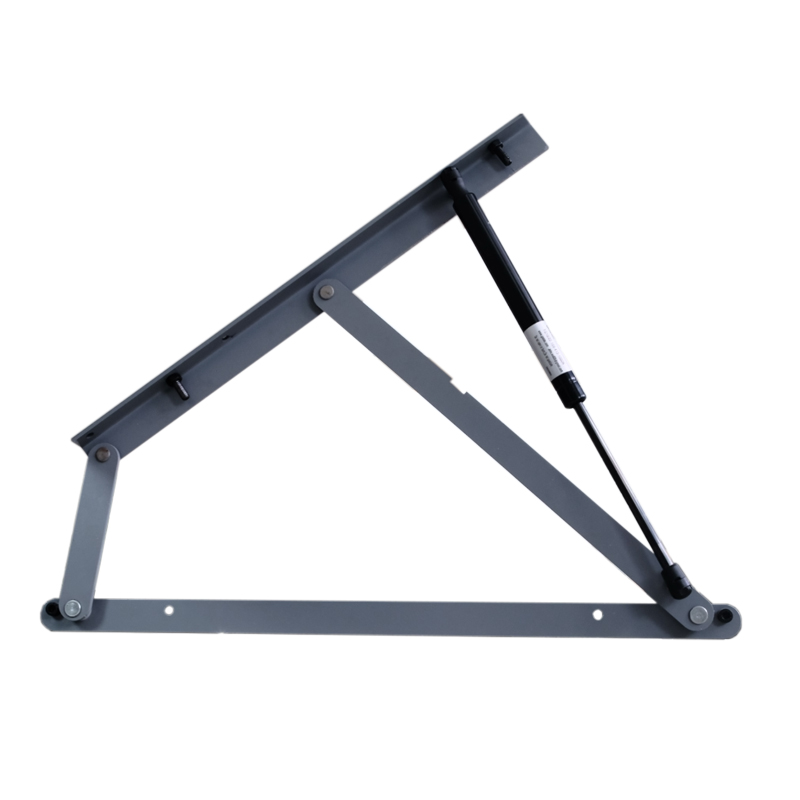
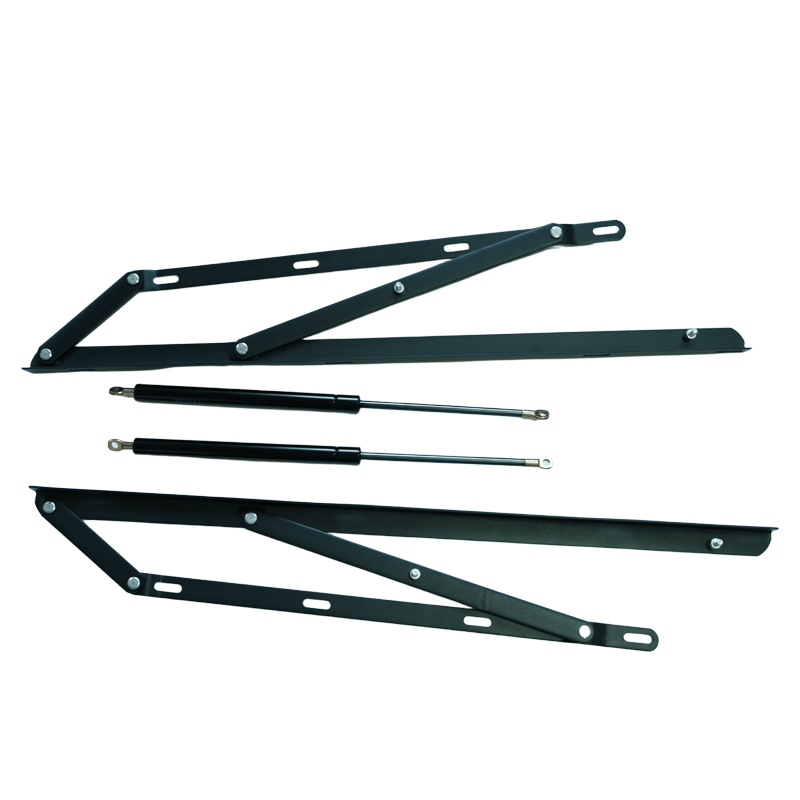
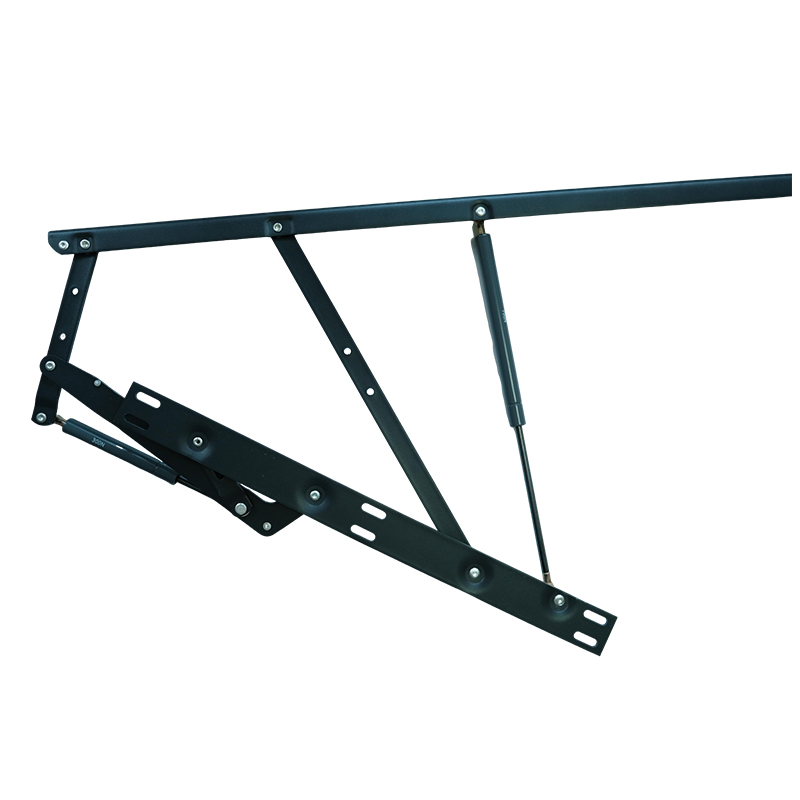
For projects that do not require electricity or need a cost-effective solution, GASTAC offers Bed Lift Kits. These kits use gas struts to assist lifting, providing smooth motion for storage beds and DIY furniture while maintaining reliable lifting support.
Final Thoughts on Building a Linear Actuator Bed Lift System
A linear actuator bed lift system provides an efficient lifting solution for modern furniture and medical equipment. By understanding the system structure, selecting the right bed lift actuator, and assembling the components correctly, manufacturers can build reliable lifting designs. With dependable suppliers like GASTAC linear actuator manufacturer, businesses can obtain stable actuator solutions for furniture and medical linear actuator applications.