Modern beds are no longer simple static furniture. Storage beds, adjustable beds, and medical beds all rely on controlled motion to improve comfort and usability. At the center of these systems is a device called a linear actuator bed lift.
If you are planning a bed lift project, the key question becomes: how do you choose the right actuator for your application? The answer involves understanding the system, identifying the application requirements, selecting correct specifications, and finally choosing the right manufacturer.
Understanding Linear Actuator Bed Lift Systems
Before selecting an linear actuator, users first want to understand how these systems actually work. This helps determine whether an actuator-based lifting mechanism is the right solution for their project.
What Is a Linear Actuator Bed Lift?
A linear actuator bed lift is an electric linear motion device designed to push or pull in a straight line. Internally, the linear actuator includes a motor, gearbox, and lead screw. When the motor rotates, the screw converts rotational motion into linear extension.
When integrated into a linear actuator bed, the linear actuator connects two moving points of the bed structure. As the linear actuator extends, it pushes the bed platform upward. When it retracts, the platform lowers back into position. This simple mechanical principle allows beds to move smoothly without manual lifting.
Why Linear Actuators Are Used in Bed Lift Systems?
Electric linear actuators have become the preferred lifting solution for modern beds for several reasons.
First, they provide controlled movement, preventing sudden or uneven lifting.
Second, linear actuators allow automated operation, meaning the bed can be adjusted with a remote or switch.
Third, they operate quietly, which is important for bedroom environments and especially for medical equipment.
Finally, linear actuators require very little maintenance, making them ideal for furniture manufacturers and healthcare facilities.
These advantages explain why actuators are now widely used in adjustable beds, storage beds, and medical linear actuator systems.
Applications of Linear Actuator Bed Systems
Once users understand the technology, the next question is whether it fits their project. Different bed designs require different actuator configurations.


Storage Bed Lift Systems
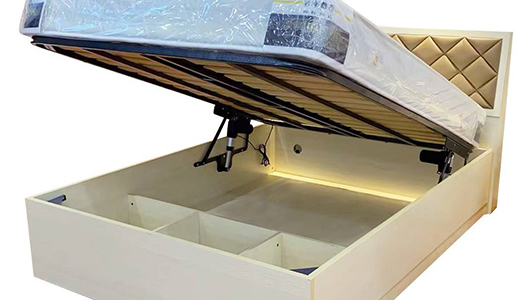
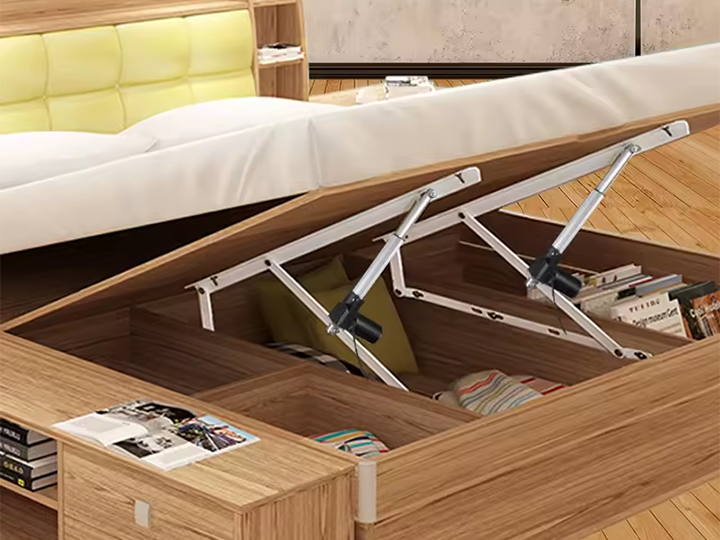
Storage beds are one of the most common applications of a bed lift actuator. These beds include hidden storage compartments beneath the mattress platform.
Instead of manually lifting the mattress and frame, a linear actuator lifts the platform automatically, making the storage space easily accessible.
In these systems, the actuator typically needs:
-
Moderate load capacity
-
Medium stroke length
-
Smooth and quiet operation
Furniture manufacturers often use compact actuators to keep the design clean and space-efficient.
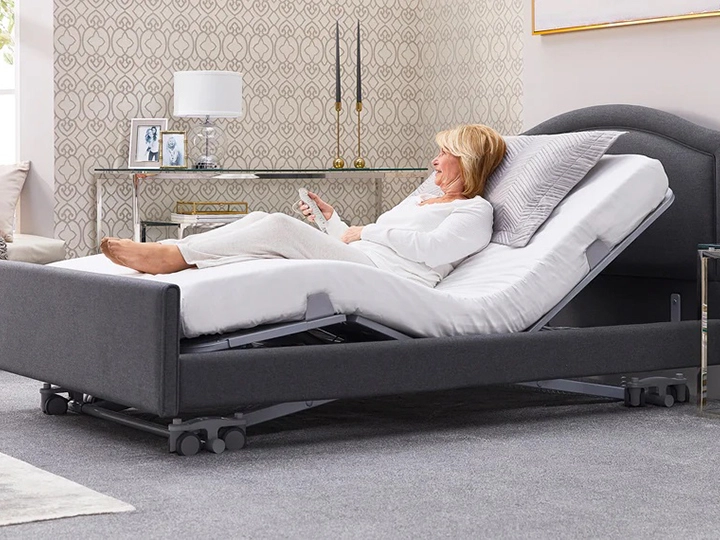
Adjustable Beds
Adjustable beds allow users to change the sleeping position by raising the head or foot sections.
A linear actuator bed system used in adjustable beds may include multiple actuators working together to control different sections of the frame.
Typical functions include:
Headrest elevation
Leg support adjustment
Bed frame tilting
Because these beds move frequently, the linear actuators must be durable and capable of synchronized motion.
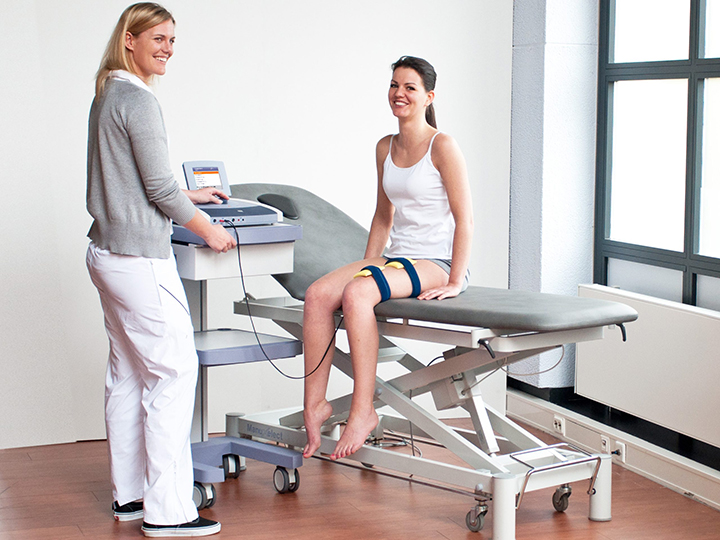
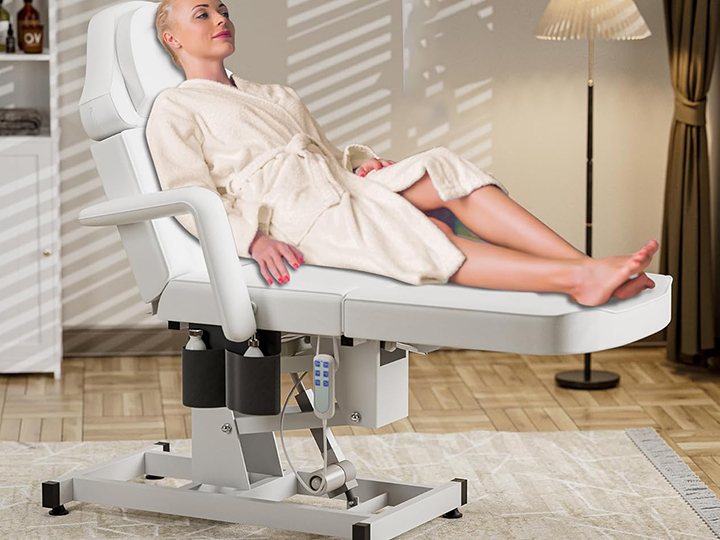
Hospital and Medical Beds
Medical environments require the most advanced actuator systems.
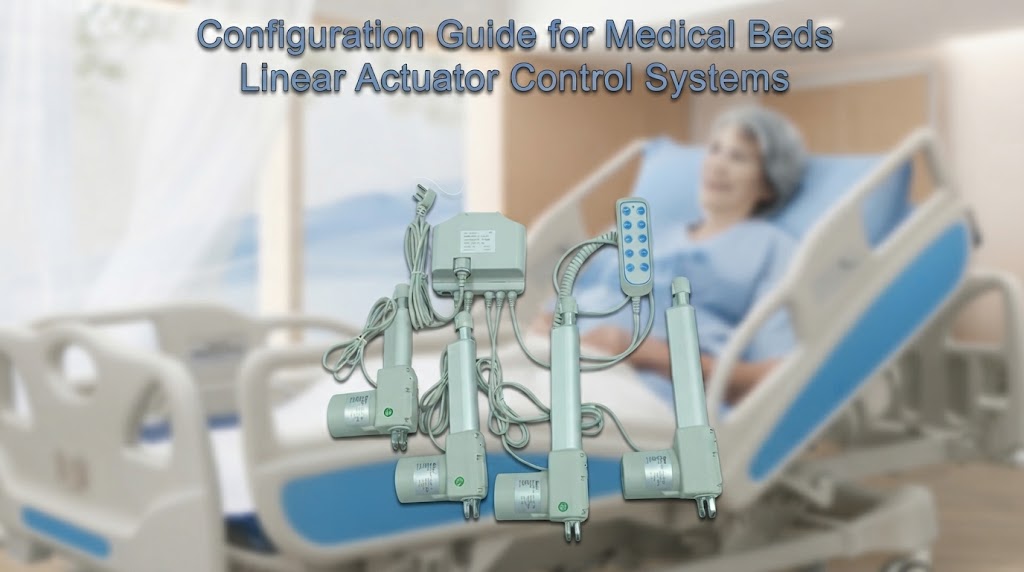
A hospital bed linear actuator must support heavy loads while maintaining precise and smooth movement. Hospitals rely on these actuators to safely reposition patients.
Medical beds may include actuators controlling:
Bed height adjustment
Backrest lifting
Knee support movement
Full bed tilting for medical positioning
Because patient safety is critical, medical linear actuator systems are designed with higher load capacity, advanced safety features, and reliable duty cycles.
Key Specifications When Selecting a Bed Lift Actuator
Once the application is clear, the next step is choosing the correct linear actuator specifications. Many users searching this topic are comparing technical parameters before making a purchase.
Load Capacity
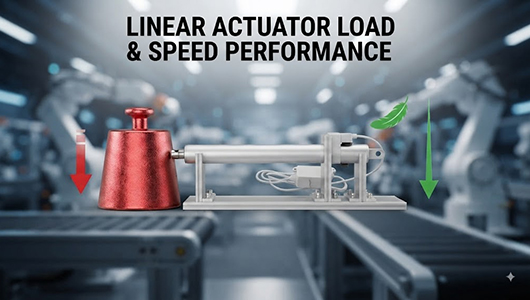
Load capacity determines how much weight the linear actuator can push or pull.
In a bed lift system, the linear actuator must support:
Bed frame weight
Mattress weight
Additional structural components
User weight in adjustable or medical beds
Choosing insufficient force can cause slow movement or linear actuator failure.
| Bed Type | Recommended Force |
|---|---|
| Storage Beds | 800 – 2000 N |
| Adjustable Beds | 2000 – 4000 N |
| Hospital Bed Linear Actuator Systems | 4000 – 8000 N |
Stroke Length
Stroke length defines how far the linear actuator travels during extension.
In a linear actuator bed system, stroke determines how high the platform lifts or how far the bed section tilts.
Examples include:
Storage beds requiring moderate lift height
Adjustable beds requiring shorter strokes for head or foot sections
Medical beds requiring longer strokes for height adjustment
Selecting the correct stroke ensures the linear actuator can achieve the required movement range.
| Application | Typical Stroke |
|---|---|
| Storage Bed Lift | 150 – 300 mm |
| Adjustable Bed Head Section | 100 – 250 mm |
| Adjustable Bed Foot Section | 100 – 200 mm |
| Hospital Bed Height Adjustment | 300 – 500 mm |
Voltage and Power Requirements
Most electric linear actuators operate on low-voltage DC power.
Common configurations include:
12V systems for residential furniture
24V systems for professional equipment
A medical linear actuator typically uses 24V systems because they provide stronger lifting capability and better reliability.
| Application | Typical Stroke |
|---|---|
| Storage Bed Lift | 150 – 300 mm |
| Adjustable Bed Head Section | 100 – 250 mm |
| Adjustable Bed Foot Section | 100 – 200 mm |
| Hospital Bed Height Adjustment | 300 – 500 mm |
Speed and Noise Performance
Speed determines how quickly the bed moves during lifting.
However, smooth motion is often more important than raw speed. A controlled lifting speed improves comfort and reduces mechanical stress.
| Application | Typical Speed |
|---|---|
| Storage Bed Lift | 5 – 10 mm/s |
| Adjustable Beds | 10 – 20 mm/s |
| Medical Beds | 5 – 15 mm/s |
Noise Level and Control Options
Noise: Most modern actuators operate at 40–60 dB, important for bedrooms and hospitals.
Control: Wired remotes, wall switches, control boxes, or smart controllers for synchronized multi-actuator beds.
Installing a Linear Actuator Bed Lift System
After selecting the correct linear actuator, proper installation ensures reliable operation.
Mounting the Actuator Correctly
The linear actuator must align with the bed’s movement direction. Misalignment can create side loads that damage the actuator or reduce efficiency.
Mounting brackets should allow the linear actuator to pivot slightly as it extends and retracts.
Ensuring Sufficient Installation Space
Designers must ensure the linear actuator has enough space for its full extension and retraction range.
Insufficient clearance can cause mechanical interference and prevent the actuator from completing its motion cycle.
Integrating Control Systems
Most bed lift linear actuators operate using simple control devices such as:
Handheld remotes
Push-button switches
Control boxes
More advanced linear actuator bed systems may integrate electronic controllers to synchronize multiple actuators.
Where to Buy Linear Actuators for Bed Lift Projects
Many users searching linear actuator bed lift are actually ready to purchase components for their project. Choosing the right manufacturer is therefore an important step. Reliable actuator suppliers typically provide:
Multiple actuator force options
Custom stroke lengths
Mounting accessories
Control systems
Manufacturers specializing in automation components can offer linear actuators suitable for furniture, industrial equipment, and hospital bed linear actuator systems.
| Brand / Company | Price Range (Typical) |
|---|---|
| LINAK | $250 – $1,500+ |
| Bestop | $100 – $500+ |
| Firgelli Automations | $75 – $465 |
| Progressive Automations | $150 – $400+ |
| Actuonix Motion Devices | $40 – $250 |
| Duff-Norton | $290 – $500+ |
| VEVOR | $30 – $150 |
| PJMtec | $150 – $600+ |
| Thomson Linear | $400 – $900+ |
| TiMOTION | $150 – $700+ |
For example, linear actuator manufacturers like Bestop produce a range of electric linear actuators designed for adjustable furniture, automation systems, and motion control applications. Working with experienced suppliers helps ensure consistent product quality and technical support.
When selecting a supplier, it is important to evaluate:
Product reliability
Customization capability
Technical support
Industry experience
Choosing the right manufacturer ensures your bed lift actuator system performs safely and efficiently.
Final Thoughts on Choosing Your Bed Lift Actuator
Selecting the right linear actuator is the foundation of a successful bed lift project. From simple storage beds to complex hospital bed linear actuator systems, the actuator controls how smoothly and safely the bed operates.
By understanding the technology, evaluating the application requirements, selecting appropriate specifications, and sourcing actuators from reliable manufacturers, designers can create a linear actuator bed system that delivers precise motion, comfort, and long-term reliability.
With the right medical linear actuator or furniture actuator solution, modern beds can combine comfort, functionality, and intelligent motion control in a single system.