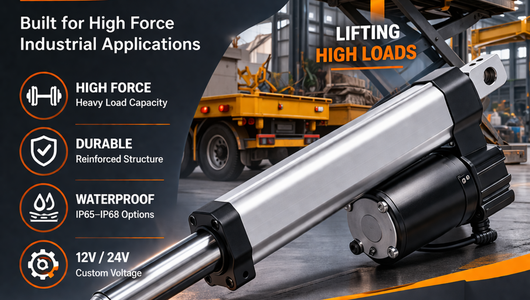
In industrial and mobile equipment applications, selecting the wrong actuator is one of the most common causes of system failure. A poorly matched heavy duty linear actuator doesn’t just reduce performance—it can lead to overload, premature wear, or even complete system shutdown.
Whether you’re designing automation equipment, medical equipment, or agricultural machinery, choosing the right solution requires more than comparing specifications. This guide will help you make the right decision based on real engineering and procurement considerations.
What is a heavy duty linear actuator?
A heavy duty linear actuator is a linear motion device designed for high force output and reliable operation under heavy load conditions. It is engineered to handle demanding applications where standard actuators cannot maintain stable performance under continuous stress and industrial working environments.

Define the Load First — Not the Product
Many buyers start by searching for a heavy duty actuator or browsing product categories. This is a mistake. The correct approach is to define:
- Required force (N or lbs)
- Load direction (push or pull)
- Dynamic vs static load conditions
For example:
- Light-duty systems: 1000–2000N
- Medium industrial use: 3000–6000N
- High-load applications: 8000N and above
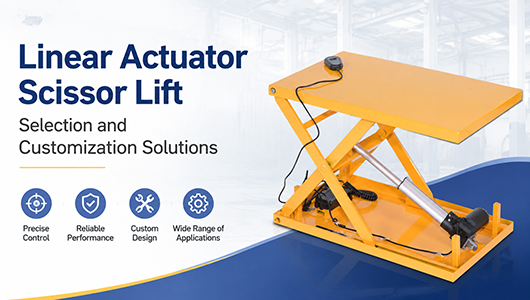
Applications such as lifting platforms or heavy covers often require a large linear actuator with reinforced internal structure.
👉 Best practice: Add at least 25% safety margin to your calculated load.
Understand What “Heavy Duty” Really Means
Not all products labeled as heavy duty electric actuator are built the same. A true linear actuator heavy duty solution should include:
- Metal gear systems (not plastic)
- High-load bearings
- Reinforced housing
- Stable motor output under load
👉 Many low-cost options meet the force rating on paper—but fail under continuous operation.
System Compatibility: Voltage, Speed, Duty Cycle, and Stroke
After determining the required load and confirming a true heavy duty linear actuator, the next critical step is ensuring the actuator can operate reliably within your system.
At this stage, many buyers make a costly mistake: they evaluate voltage, duty cycle, and stroke length separately. In reality, these three factors must work together. A mismatch in any one of them can cause even a high-quality heavy duty actuator to fail in real-world applications.
Voltage: Power System Integration
Voltage determines how the actuator integrates into your system:
- A heavy duty linear actuator 12V is widely used in mobile systems such as trailers, trucks, and off-grid equipment.
- Industrial systems often rely on 24V or higher configurations for stability and efficiency.
👉 Customer concern: “Will this actuator integrate easily into my existing power system?”
Speed vs Load: The Real Engineering Trade-Off
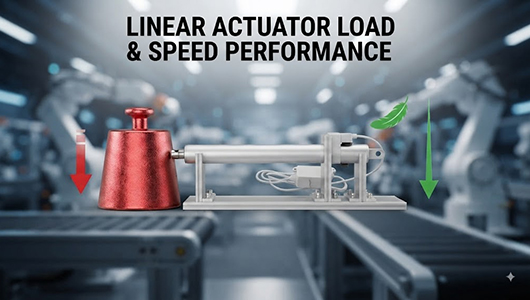
Speed is one of the most misunderstood parameters. In any heavy duty electric actuator, there is a direct trade-off:
- Higher force → lower speed
- Higher speed → reduced load capacity
For example, a large linear actuator designed for lifting heavy structures will naturally operate slower than a light-duty system.
 Customer concern: “Can it move fast enough for my application without losing force?”
Duty Cycle: The Hidden Failure Factor
Duty cycle determines how often an actuator can operate without overheating.
- Low duty cycle → intermittent use (e.g., 20–25%)
- High duty cycle → frequent or continuous operation
Many heavy duty electric linear actuator failures happen because the duty cycle is ignored during selection.
👉 Customer concern: “Will it overheat or fail after repeated use in real operation?”
Stroke Length: Mechanical Fit Determines Real Usability
Stroke length must match both motion requirement and mechanical design space. Key considerations:
- Retracted length
- Full extension clearance
- Mounting geometry
- Force direction alignment
Even a high-performance linear actuator heavy duty system will fail if stroke design does not match the mechanical structure.
👉 Customer concern: “Will this physically fit and operate correctly in my design?”
Application-Based Selection: Matching Industry Reality
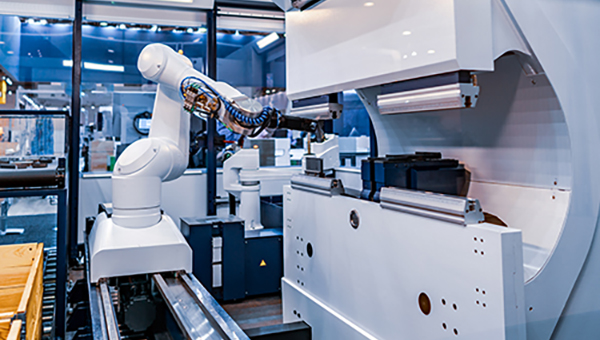
Industrial Automation
- High duty cycle requirement
- Precision and repeatability
- Stable long-term performance
→ Typically uses heavy duty electric actuator
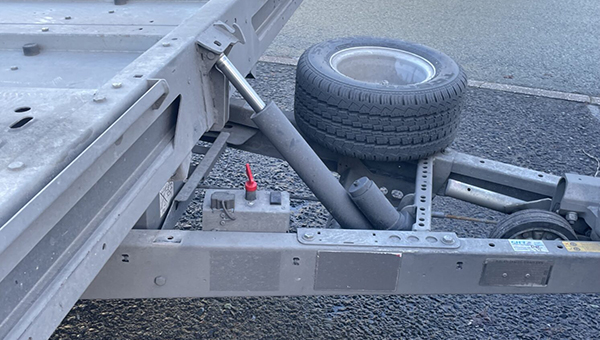
Automotive & Mobile Equipment
- Shock resistance
- Compact structure
- Battery-powered systems
→ Often uses heavy duty linear actuator 12v
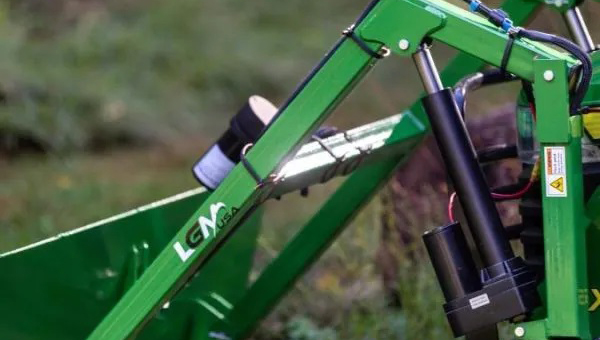
Agriculture Machinery
- Dust, mud, moisture resistance
- Long working hours
→ Requires robust waterproof linear actuator

Solar Tracking Systems
- Outdoor exposure 365 days
- Continuous low-speed movement
→ Requires durability-focused heavy duty actuator
👉 Key insight: There is no universal heavy duty linear actuator suitable for all industries.
Manufacturer Capability: Why Supplier Selection Matters More Than Specs
In OEM projects, actuator selection is not only about technical specs—it is also about manufacturer capability. As a professional linear actuator manufacturer, Bestop supports engineering-driven projects with:
- Custom force output design
- Stroke length modification
- Waterproof structure optimization (IP65–IP68)
- Voltage configuration (12V / 24V systems)
- Batch consistency control for mass production
- Full load and lifecycle testing
This ensures every heavy duty electric actuator performs consistently from prototype to large-scale production.
Common Failure Reasons in Real Projects
Most actuator failures are not caused by insufficient specifications, but by incorrect selection decisions:
- Wrong voltage integration
- Ignoring duty cycle limitations
- Underestimating real load conditions
- Poor environmental protection selection
- Incorrect stroke design
- Using non-engineering suppliers
👉 Even a high-quality heavy duty linear actuator will fail if system design is incorrect.
Procurement Decision Checklist (Before You Buy)
Before final selection, confirm:
- Load calculation includes safety margin
- Voltage matches system design
- Speed meets motion requirement
- Duty cycle supports real usage frequency
- Stroke fits mechanical structure
- Supplier supports customization & OEM production
👉 Even a high-quality heavy duty linear actuator will fail if system design is incorrect.
The Right Linear Actuator Is a System Decision
Choosing a heavy duty linear actuator is not about finding the strongest product—it is about finding the most suitable system match. A successful selection balances:
- Load capacity
- Environmental protection
- System compatibility
- Motion performance
- Long-term reliability
In real industrial applications, failure rarely comes from lack of force—it comes from poor system matching.
Need Engineering Support?
If you are developing an OEM project or industrial system and need help selecting or customizing a heavy duty electric linear actuator, Bestop provides engineering-level support to ensure correct selection and reliable performance.