Automation systems, RV accessories, adjustable furniture, and industrial equipment increasingly rely on precise motion control. 12v linear actuators are often the ideal choice because it converts electrical energy into controlled linear motion, making tasks like lifting, pushing, or adjusting easier and safer.
Given the variety of actuators available on the market—different stroke lengths, load capacities, speeds, and control options—choosing the right one can feel overwhelming.
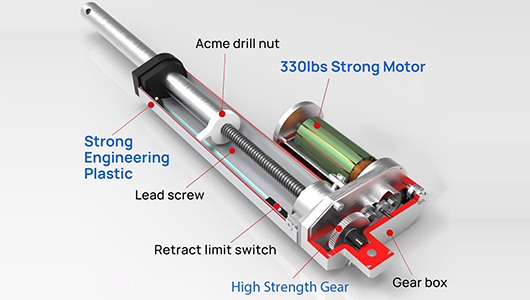
The Problem Many Buyers Face
Even after understanding what a linear actuator does, buyers often ask:
How do I select the correct stroke and load for my project?
What is a reasonable price range for different applications?
Where can I buy a high-quality actuator and find reliable suppliers?
Below, we address each of these questions with specific, actionable solutions.
Step 1: Selecting the Right Specifications
Before purchasing, it’s important to match the actuator to your application needs. For instance, an linear actuator for an RV storage compartment will have different requirements than one for an industrial lifting platform. Here are practical ranges you can follow:
Electric Linear Actuator Reference Range Table
| Specification | Recommended Range / Example | Notes |
|---|---|---|
| Stroke Length | 4–24 inches | Choose based on how far the device needs to move |
| Load Capacity | 100–2000 lbs 450–9000 N | Ensure a safety margin above device weight |
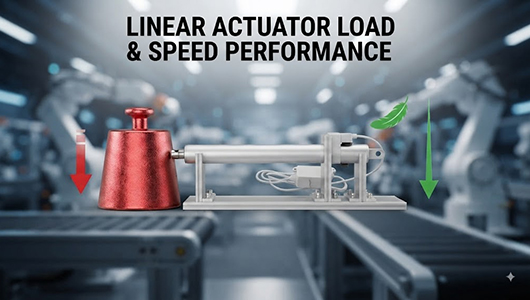
| Speed | 0.5–2 in/sec 12–50 mm/s | Faster for quick motions slower for precise control |
| Duty Cycle | 10–25% | Continuous operation requires higher rated actuators |
| Control | Wired switch remote or smart control | 12 volt linear actuator with remote provides wireless convenience |
| Protection | IP54–IP67 | Required for outdoor or dusty environments |
Example: A 12-inch stroke and 500 lbs capacity linear actuator is sufficient for most RV storage lifts, while an industrial solar tracker may require a 24-inch stroke and 1000 lbs capacity actuator.
Step 2: Determining a Budget
Even with specifications clear, buyers often hesitate because of price variation. Set a realistic budget before buying a 12V electric linear actuator, balancing price and quality. Cheaper models may cost less but need more maintenance, while premium brands offer better reliability.
Typical price ranges Table
| Specification | Typical Price Range | Notes |
|---|---|---|
| Basic Actuator | $50–$120 | Suitable for light DIY projects with simple requirements |
| Standard Actuator | $120–$300 | Good for moderate loads and reliable daily use |
| Premium Actuator | $300–$600+ | High load capacity long lifespan and advanced features such as remote or IP67 protection |
Actionable tip: Don’t pick the cheapest option for heavy-duty applications; long-term reliability matters more than initial savings.
Step 3: Where to Buy Electric Linear Actuator 12V
Once the specifications and budget are clear, the next step is finding a reliable source. Choosing the right supplier ensures you receive quality products, good customer support, and accurate delivery times. Whether you are looking for DIY projects, industrial automation, or custom applications, knowing where to buy can save time and prevent costly mistakes.
Linear Actuator Manufacturers
A practical solution is to consider reputable brands and verified suppliers that specialize in electric linear actuators. For a curated list of trusted manufacturers and distributors, you can visit Best Linear Actuator Manufacturers which includes companies known for performance, durability, and a variety of 12V actuator models.
Linear Actuator Online Marketplaces
Amazon, eBay, Alibaba – convenient for small or one-off purchases.
Linear Actuator Local Distributors
Motion control or RV equipment suppliers for faster delivery and on-site support
✅ Tip: For industrial or customized projects, contact manufacturers directly to confirm specifications and warranty.
Step 4: Verifying Supplier Reliability
Even after finding potential suppliers, reliability is crucial. To verify supplier reliability, consider checking customer reviews, certifications, warranty policies, and previous project experience. Trusted suppliers often provide detailed product documentation, responsive support channels, and clear return or replacement policies. Using suppliers listed on reputable curated platforms, such as Best Linear Actuator Manufacturers, can significantly reduce risk and give you confidence in your purchase.
Certifications (ISO, CE)
Customization options (stroke, load, mounting)
Technical support availability
Warranty coverage and bulk supply capabilities
Example: GASTAC provides consistent quality, OEM customization, and responsive support for industrial applications.
Step 5: Matching Application to Specifications
Finally, it’s important to confirm that the selected actuator fits your intended use. Different projects—whether DIY furniture lifts, camper shell automation, or industrial machinery—require linear actuators with varying stroke lengths, load capacities, speeds, and duty cycles. Matching the actuator to your application ensures optimal performance, longevity, and safety.
Linear Actuator Application Form
| Application | Recommended Specifications | Notes |
|---|---|---|
| DIY Furniture Lift | Stroke 6–12 in Load 100–300 lbs Speed 1–2 in/sec | Focus on smooth and quiet motion for home use |
| Camper Shell Automation | Stroke 12–24 in Load 200–600 lbs Speed 0.5–1.5 in/sec | Requires reliable outdoor rated actuators with IP54–IP67 |
| Industrial Machinery | Stroke 4–24 in Load 500–2000 lbs Speed 0.5–2 in/sec | High duty cycle actuators needed for heavy usage |
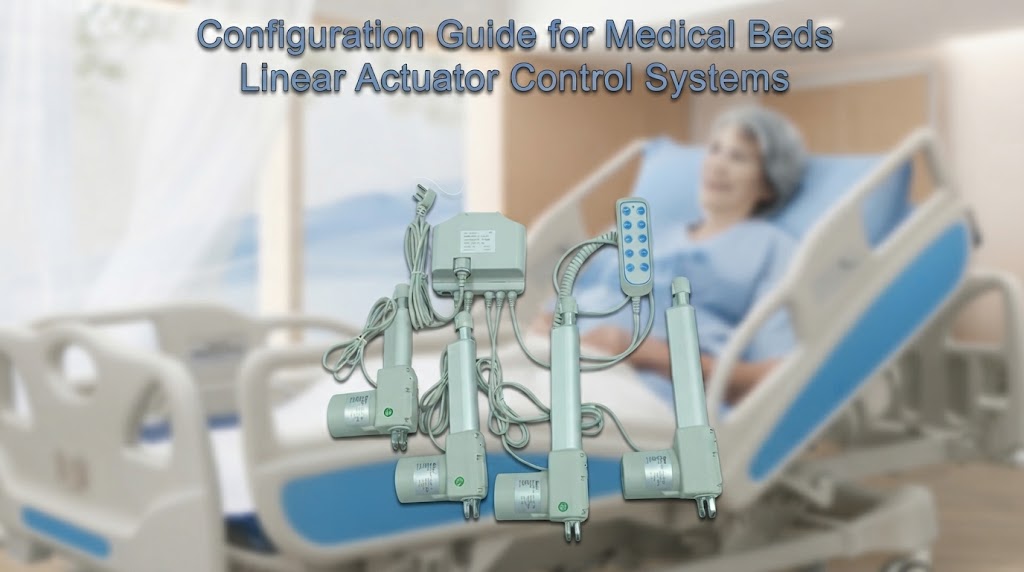
| Medical Equipment | Stroke 4–12 in Load 100–400 lbs Speed 0.5–1.5 in/sec | Precision and quiet operation are critical |
Actionable tip: Compare your load, stroke, and environment requirements with these examples to ensure proper performance.